Powder Coating
April 2026 · 5 min read
If you are choosing a finish for outdoor metal furniture, powder coating significantly outperforms liquid paint in durability, corrosion resistance, and appearance. Here is what you need to know before specifying it.
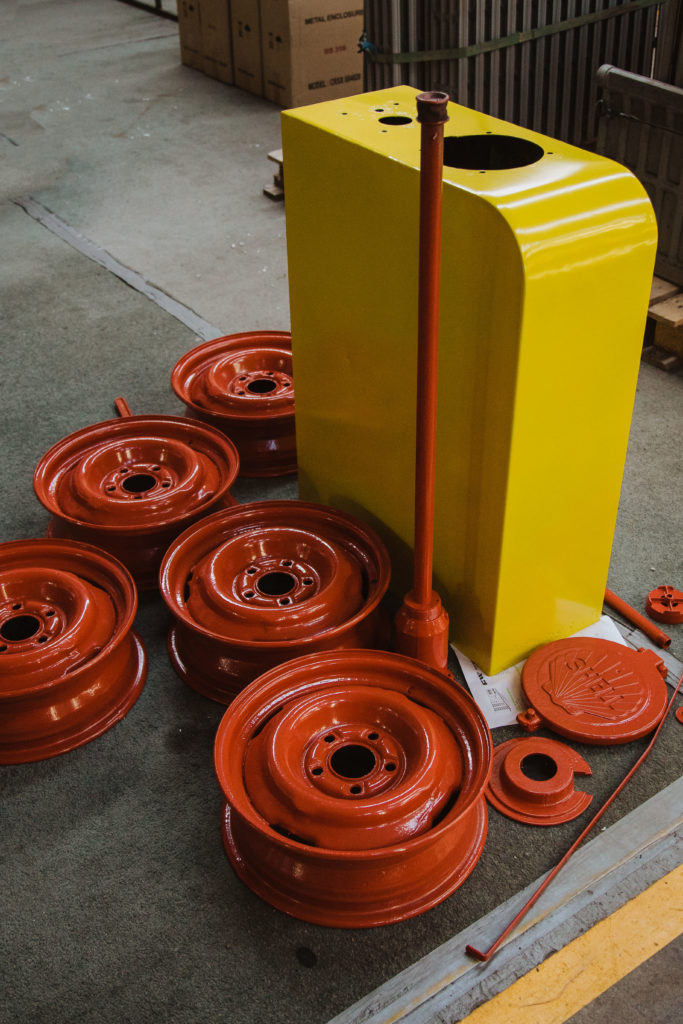
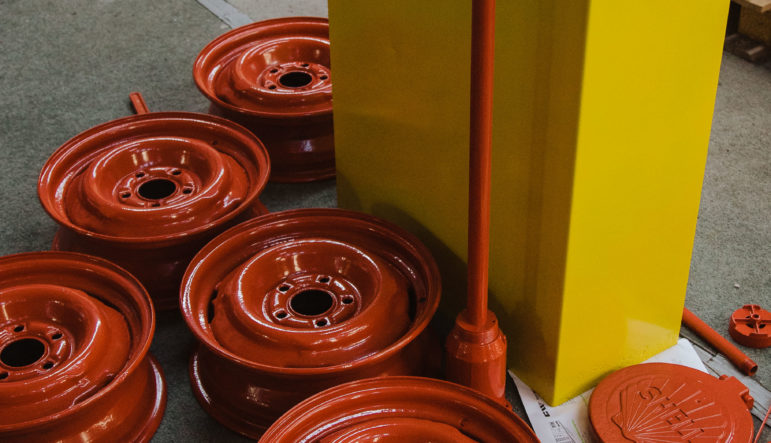
Outdoor metal furniture takes a beating in New Zealand: high UV, coastal salt air, rain, and temperature swings. A finish that holds up in these conditions needs to do more than just look good on day one. Clive Wilson Powder Coating, based in Invercargill, has been applying industrial and commercial finishes for over 50 years. Here is why powder coating is consistently the best choice for outdoor furniture in this country.
Quality powder coating on outdoor furniture typically lasts 15 to 25 years with minimal maintenance. The finish bonds to the metal at a molecular level during the oven curing process, forming a surface that resists chipping, peeling, and flaking in a way that liquid paint cannot match.
A painted piece of outdoor furniture in a demanding environment may need repainting within three to five years. Over the life of a piece, the cost difference in maintenance, labour, and replacement is substantial. The upfront investment in a proper powder coat pays for itself many times over.
Powder coating creates a sealed barrier between the metal and the environment, preventing moisture and oxygen from reaching the substrate. Applied over properly prepared steel or aluminium, it provides excellent corrosion resistance for most outdoor applications.
For furniture used near the coast or in high-humidity environments, a zinc-rich primer under the top coat adds a sacrificial protection layer, similar in principle to galvanising. The critical factor in corrosion performance is always surface preparation: clean the metal thoroughly, treat all edges and welds before coating, and the finish will perform well for decades.
One of the visible advantages of powder coating is how even and smooth the finish is across the whole piece. Because the powder is applied electrostatically and flows during curing, it self-levels in a way liquid paint cannot. There are no brush marks, drips, or runs, and the film thickness is consistent across flat surfaces, curves, and edges.
The result is a professional appearance that is difficult to match with liquid paint, particularly on complex shapes like chair frames and decorative table bases.
| Finish Type | Characteristics | Best For |
|---|---|---|
| Gloss | High sheen, clean appearance | Decorative indoor/outdoor pieces |
| Satin | Mid-sheen, hides minor imperfections | Furniture, architectural metalwork |
| Matte | Flat, contemporary look | Modern outdoor furniture |
| Hammertone / Texture | Textured surface, hides abrasions | High-traffic outdoor furniture |
| Metallic | Metallic flake appearance | Decorative and architectural applications |
Thousands of standard colours are available in RAL and AS/NZS ranges. Custom colour matching is also available for specific projects where brand or architectural colour compliance is required.
Once powder coated, outdoor furniture requires very little attention. An occasional wash with mild detergent and water is all that is usually required. There is no annual waxing, sealing, or repainting the way painted surfaces demand.
If the coating is scratched or chipped, small repairs can be made with matching touch-up paint. For more significant damage, the piece can be fully stripped and recoated, restoring it to as-new condition.
Powder coating contains no solvents and produces negligible VOC emissions compared to liquid paint. Overspray is collected and reused, achieving material utilisation rates of 95% or higher. For businesses with sustainability reporting requirements or resource consent conditions around VOC emissions, this is a meaningful advantage over solvent-based alternatives.
Clive Wilson Powder Coating offers industrial and commercial powder coating services from our Invercargill facility. We work with furniture manufacturers, metalwork fabricators, and direct clients on projects of all sizes.
Related articles:
📍 31–33 Clyde Street, Invercargill · 📞 +64 3-214 4264 · ✉️ admin@clivewilson.co.nz