
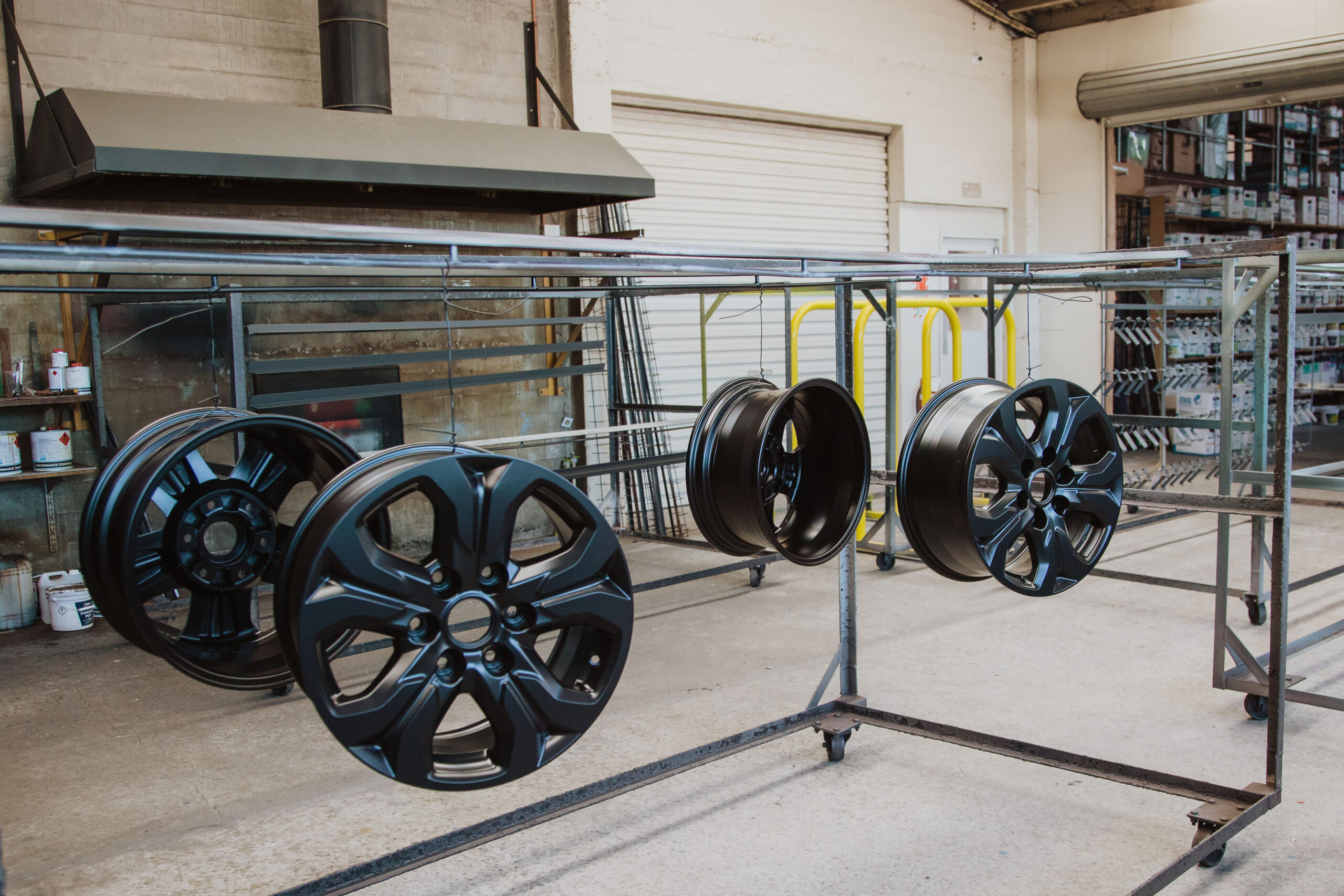
A good powder coated finish depends on the whole process: suitable metal, proper preparation, controlled application and the correct cure. Choosing a colour is only one part of the job.
Assess the part
Start with the metal type, existing finish, condition and intended use. Steel, aluminium and previously coated parts can require different preparation. Rust, contamination, old filler and mixed materials may affect whether the part is suitable.
Before delivery, discuss removable fittings, threads, mating faces and areas that must remain uncoated. Bearings, seals, electronics and other heat-sensitive items need specific attention. Do not assume an assembled item can pass through a curing oven unchanged.
Prepare the surface
Cleaning and preparation establish the surface the coating will adhere to. The appropriate route may involve removal of an old finish, treatment of corrosion, cleaning and a suitable pretreatment system. The choice depends on the substrate and exposure.
Edges, welds, recesses and drainage details deserve attention. Coating does not repair a weak weld or restore metal lost to corrosion. Any fabrication repairs should be resolved before the final preparation and coating sequence.
Apply the powder
In electrostatic application, charged powder is sprayed onto a suitably earthed part. The operator controls coverage and film build. Recesses, complex shapes and sharp edges can be more difficult to coat than a flat panel.
Hanging points, masking and the orientation of the part influence the result. Identify appearance-critical faces and required masking in the brief so the workshop can plan the setup.
Cure to the product requirements
For a typical thermosetting powder, heat allows the coating to flow and cure into its finished film. The powder supplier specifies the required metal temperature and time. Oven air temperature alone does not show that a heavy part has achieved the required cure.
Cool, inspect and protect
After cooling, the finish is checked against the agreed requirements. Coverage, visible defects, colour and gloss, film thickness and other applicable checks depend on the job and coating system.
Packing and handling matter after the coating is complete. Protect appearance surfaces and avoid trapping abrasive debris against them. For parts going outside, ask for the appropriate care and maintenance information.
Prepare a useful coating enquiry
- Photos, quantities and overall dimensions.
- Metal type and the current coating or surface condition.
- Indoor, outdoor, coastal or chemical exposure.
- Colour reference, gloss or texture and appearance requirements.
- Masking, threaded holes, mating faces and hanging restrictions.
- Required date, transport and packaging needs.
CWS provides powder coating in Invercargill. Confirm the preparation scope, usable part size and current programme with the team before delivering the job.