EV Charging
March 2026 · 7 min read
Commercial, industrial and public EV charging is no longer a future consideration — it is a current infrastructure requirement. Clive Wilson Switchboards has supplied electrical infrastructure for EV charging projects across New Zealand, including public Tesla Supercharger sites. This guide explains what site owners, facility managers, contractors and councils need to know when specifying and installing EV charging infrastructure.
The shift to electric vehicles is accelerating across New Zealand’s commercial, industrial and public sectors. Fleet operators, property developers, local councils, public charging networks and industrial site managers are all facing the same question: how do we install EV charging infrastructure that is fit for purpose, compliant, and built to scale?
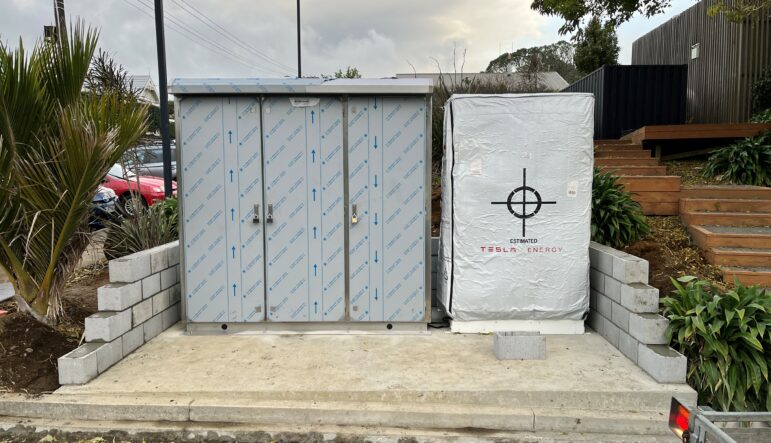
Clive Wilson Switchboards has already delivered the electrical infrastructure behind some of New Zealand’s most demanding EV charging installations — including public Tesla Supercharger sites. We understand what high-demand, high-reliability charging infrastructure requires at the switchboard level, and we build it in-house in Invercargill to the same standards as our industrial switchboard range.
Getting this right requires more than selecting a charger off a shelf. It requires correctly rated switchboards, adequate power capacity, proper protection, and a design that can grow with demand. That is where our experience makes the difference.
Residential EV charging is relatively straightforward — a single charger, a single circuit, a domestic supply. Commercial and industrial installations are a different proposition entirely.
A commercial car park, logistics depot, council facility or industrial site may require multiple simultaneous charge points, high-power DC fast chargers, load management systems, and electrical infrastructure capable of handling the cumulative demand. Without proper planning and correctly rated switchboard infrastructure, the result is an installation that trips under load, cannot be expanded, or fails compliance requirements.
The charger hardware is only one element of a commercial EV installation. The switchboard, metering, protection devices, cable infrastructure and power supply capacity are what determine whether the system performs reliably and can be expanded over time. Underspecifying any of these creates problems that are expensive to fix after the fact.
Demand for commercial EV charging is growing across a broad range of sectors. Common applications include:
In all of these cases, the installation is only as good as the electrical infrastructure that supports it.
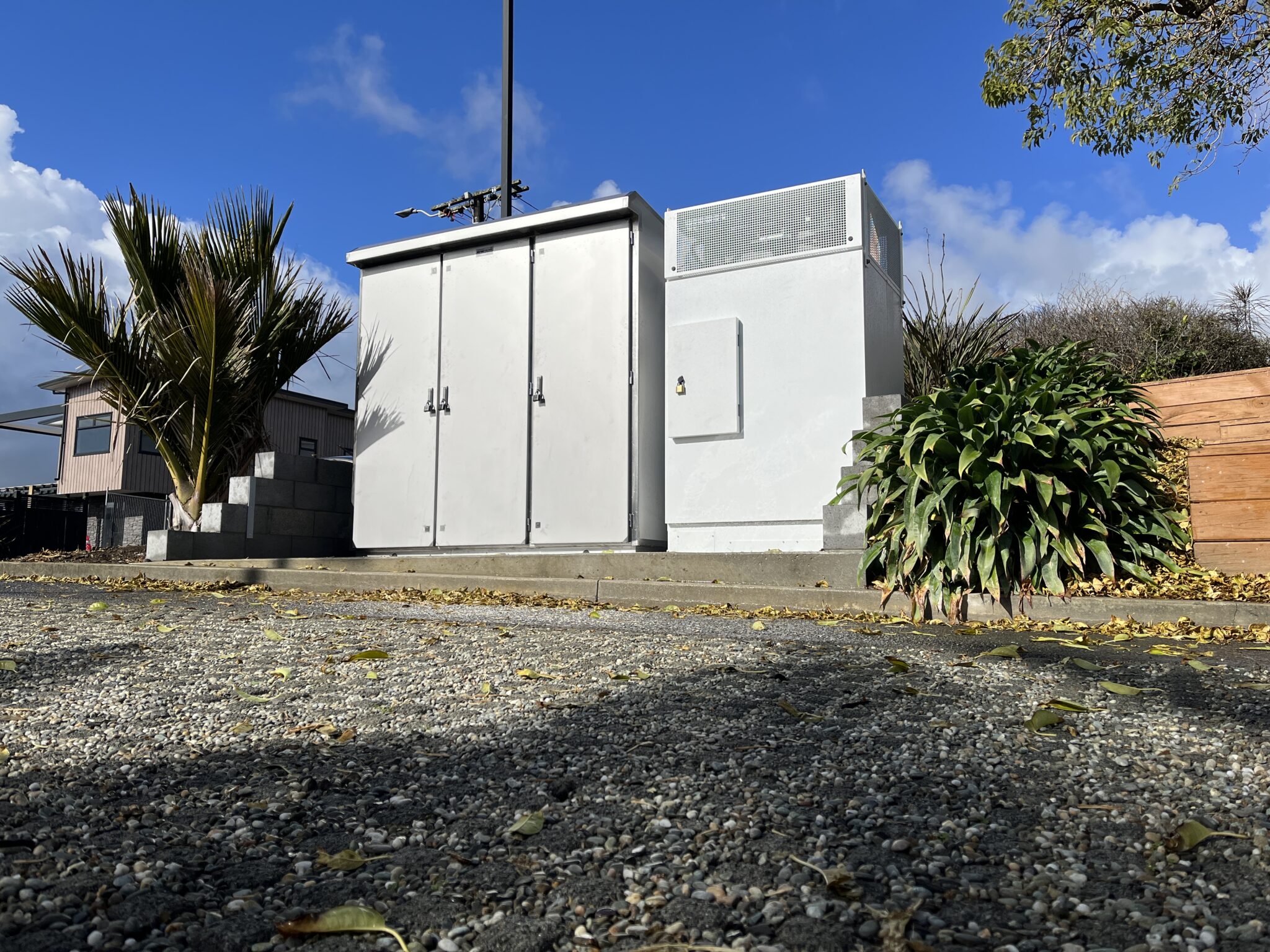
Clive Wilson Switchboards designs and manufactures the electrical infrastructure that powers commercial and industrial EV charging installations. Our EV charging kiosks and switchboard assemblies are built in-house at our Invercargill facility to the same quality standards as our industrial switchboard range — ISO 9001 certified, AS/NZS 61439 compliant, and engineered for the specific requirements of each site.
Purpose-built enclosures housing the switchgear, protection and metering required to support single or multiple charge points. Designed for outdoor or indoor installation, with appropriate IP ratings and finish for the environment.
Switchboard assemblies that feed multiple charge points from a single point of supply — with correctly rated protection, metering, and capacity for future expansion built in from the start.
Many existing sites need their main switchboard assessed and potentially upgraded before EV charging can be added. We can assess your existing board and advise on the most practical path to support your EV load requirements without overengineering the solution.
Our team can assist with the electrical design brief for your EV charging project — including load calculations, supply assessment, protection coordination and documentation to support your overall project delivery.
Before any charger hardware is selected or installed, the following electrical questions should be answered. Getting these right at the start avoids costly surprises later.
| Consideration | Why It Matters |
|---|---|
| Available supply capacity | Does the existing supply support the added EV load, or does the network connection need upgrading? |
| Fault level rating | The switchboard and protective devices must be rated for the prospective fault current at the point of supply |
| Number of charge points | Current and future charge point count determines switchboard sizing, protection requirements and cable infrastructure |
| Charger power rating | AC vs DC, 7kW vs 22kW vs 50kW+ — each has different electrical supply and protection requirements |
| Load management | Dynamic load balancing can reduce the required supply capacity where multiple chargers operate simultaneously |
| Metering and billing | Sub-metering per charge point may be required for cost recovery, tenant billing or network compliance |
There are good reasons to involve a specialist switchboard manufacturer early in a commercial EV charging project rather than treating the electrical infrastructure as an afterthought. Our track record speaks for itself — we have supplied the electrical infrastructure for public Tesla Supercharger sites in New Zealand, as well as a wide range of commercial, industrial and council EV projects.
Commercial, industrial and public EV charging is a real infrastructure investment — not a plug-and-play exercise. The sites that do it well plan the electrical infrastructure first, build in capacity for growth, and work with manufacturers who understand what is required at the switchboard level.
Clive Wilson Switchboards has delivered EV charging infrastructure across New Zealand — from public Tesla Supercharger sites to commercial car parks, fleet depots and council facilities. We have the manufacturing capability, compliance credentials and hands-on project experience to support your EV charging project from design through to delivery.
Related articles that may help with your project planning:
Talk to the Clive Wilson team early. We’ll help you get the electrical infrastructure right from the start — built to comply, built to scale, built in New Zealand.