Switchboard Specification
March 2026 · 8 min read
When a specification calls for Form 2, Form 3 or Form 4, it is defining how the internal parts of a switchboard are separated. Here is a practical guide to what each form means, when it matters, and why it should be confirmed early in any project.
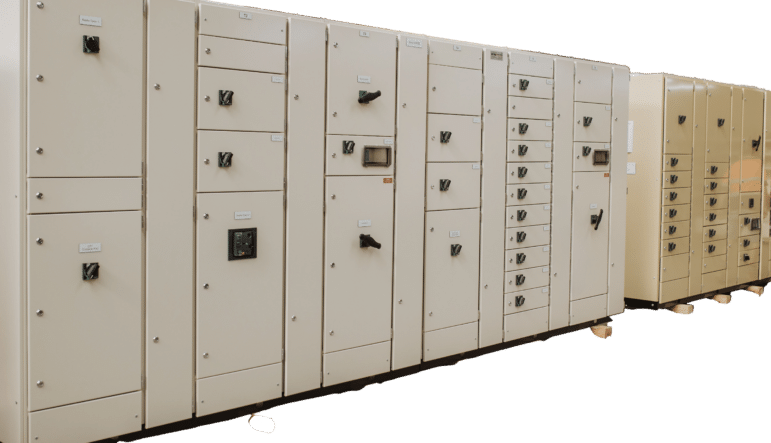
When a specification calls for Form 2, Form 3 or Form 4, it is defining how the internal parts of a switchboard are separated from each other. In simple terms, form of segregation describes the internal division between busbars, functional units and terminals within the assembly.
That matters because segregation is not just a technical label. It influences safety around live parts, maintenance access, how circuits are divided internally, how the board is designed and built, and how it is priced at quotation stage.
Form of segregation refers to the internal separation arrangement within a low-voltage switchboard assembly — how the assembly is divided so that key parts such as the main busbar system, functional units and external conductor terminals are separated from one another.
The required form is usually set by the consultant, engineer, end user or project specification, and is commonly considered alongside AS/NZS 61439. Higher forms generally involve greater internal separation, which can improve compartmentalisation but also adds construction complexity and cost.
Better internal separation can reduce exposure to adjacent live parts when accessing certain sections. It does not remove the need for safe isolation procedures, but it does change how the board is arranged internally.
On many projects, the ability to work around clearly separated sections is a real operational consideration. A higher form may support a more structured internal arrangement that suits the site’s maintenance approach.
If the required form is not nominated early, the scope is open to interpretation. That leads to assumptions in the quotation and potential redesign later. Higher forms also require more barriers, partitions and construction detail — which affects enclosure size, layout options and price.
| Form | General Meaning | In Practice |
|---|---|---|
| Form 1 | No internal separation | Most basic arrangement — no division between busbars, functional units or terminals |
| Form 2 | Busbars separated from functional units | A step up from Form 1, without further division between outgoing ways |
| Form 3 | Busbars separated + functional units separated from one another | Clearer division between sections — often a meaningful step for commercial and industrial projects |
| Form 4 | Higher separation including terminals per functional unit | Most segregated common form — greater complexity, larger footprint, higher cost |
The most basic arrangement — no internal separation between busbars, functional units and terminals. May suit simpler projects where the specification and operational approach do not require compartmentalisation.
Generally separates the busbars from the functional units. More internal structure than Form 1, without the further division of Forms 3 and 4. A practical middle step when the project wants more than a basic assembly but does not need full compartmentalisation.
Separates busbars from functional units and also separates functional units from one another. This is where segregation becomes more significant — offering clearer division between outgoing ways and a more structured layout for operation and maintenance.
The highest commonly referenced form — provides a greater level of internal separation, including terminals associated with each functional unit. Usually requires more construction detail, which has a noticeable impact on board footprint, layout flexibility and pricing.
If segregation is left undefined in an early enquiry, the manufacturer prices based on assumptions. A late change from Form 1 to Form 3 or Form 4 can affect enclosure size, internal construction, barrier requirements, device arrangement, termination layout and overall price.
The right form depends on actual project needs — not a habit of always choosing the highest number. Lower forms may suit straightforward arrangements with basic maintenance demands. Higher forms are typically specified where consultant documentation requires them, where clearer internal division is preferred, or where the site maintenance philosophy places value on stronger compartmentalisation.
Form of segregation describes how the internal parts of a switchboard assembly are separated. The key point is simple: it affects design, practicality and price, so it should be defined early and reviewed alongside the rest of the switchboard requirements.
Related articles that may help when preparing a specification:
Clive Wilson Switchboards can help clarify specification inputs early so the build and quote align with your project.