
Before buying more chargers, establish what charging service you need and what the existing electrical system can support. Spare breaker space is not proof of spare supply capacity.
Define the charging outcome
List the vehicles, arrival and departure times, energy required and priority users. A fleet that parks overnight has a different problem from customers expecting a short charging stop.
Use actual fleet data when available. Allow for operational changes, missed charging windows and the service required on unusually demanding days.
Establish the existing capacity
- Current single-line diagram and board records.
- Supply agreement and available network capacity.
- Measured load profile covering relevant operating periods.
- Existing board condition, ratings and protection details.
- Cable routes, containment and installation access.
- Other planned loads, generation or storage changes.
The assessment needs both the electrical duty and the physical installation. An empty way in the board does not show that busbars, incomer, cables or the network connection have capacity for a new load.
Compare three possible routes
| Approach | What must be demonstrated |
|---|---|
| Use existing capacity | The charging duty can be accommodated within the established system limits. |
| Manage charging demand | The control scheme delivers the required service with defined limits and failure behaviour. |
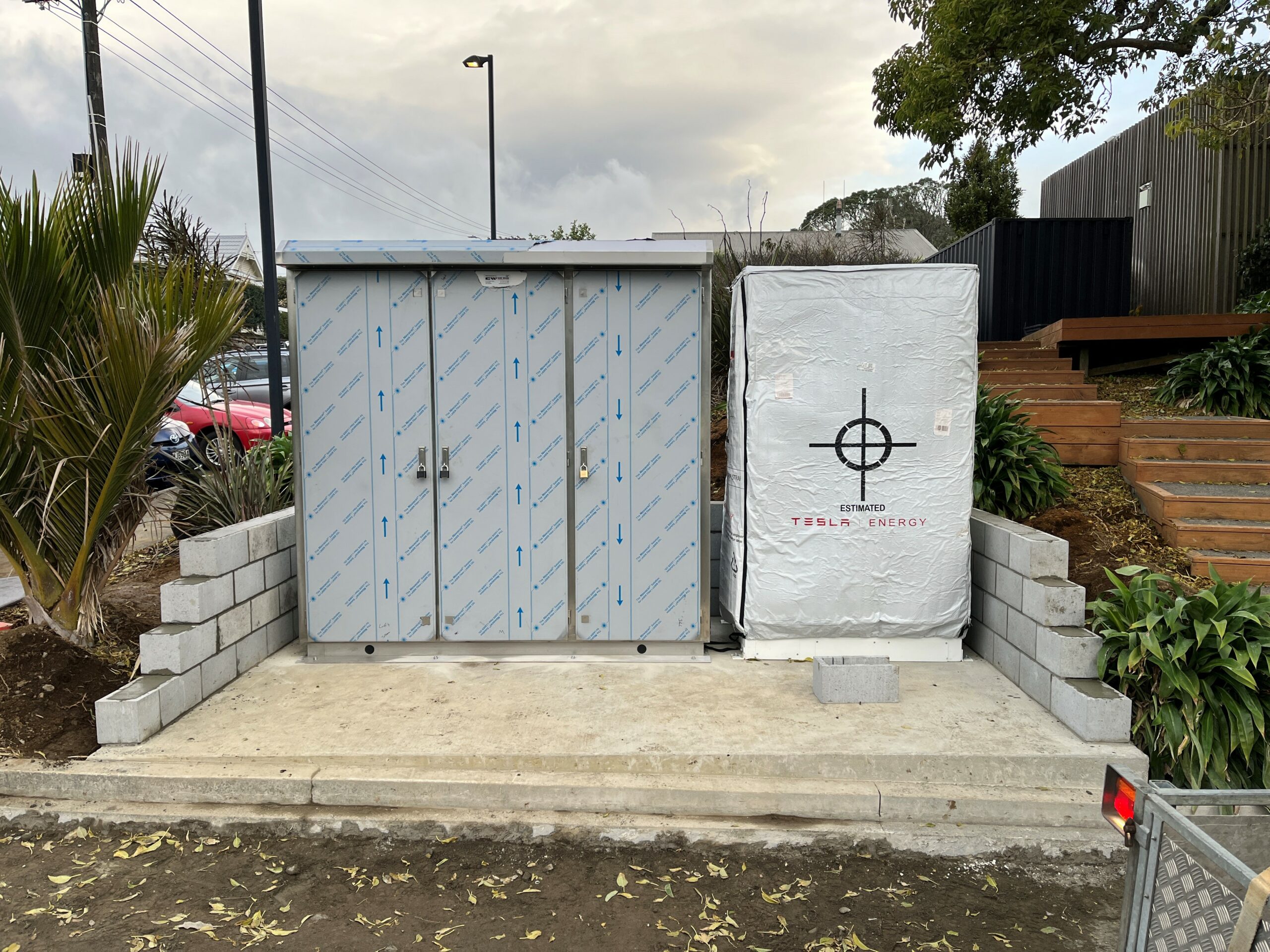
| Upgrade the supply or distribution | The new capacity, equipment, connection and programme are agreed. |
A project may combine these routes. Load management can help allocate capacity, but it must be part of the approved design rather than an assumption used to justify undersized equipment.
Plan the interfaces and installation
Confirm charger models and input data, protection requirements, metering, communications and any building or civil work. Identify who configures and tests the charging controls and who verifies the electrical installation.
Use the current WorkSafe charging guidance and the applicable installation basis. For existing-board modifications, agree the required assessment and de-energised access before setting a shutdown date. CWS follows a no-live-work policy.
Make expansion deliberate
Separate what is installed now from what is allowed for later: spare ways, busbar capacity, cable routes, network capacity and communications are different allowances. Record the future charging scenario behind those choices.
Send the existing records and proposed charger schedule to discuss a CWS distribution-board or kiosk scope. The commercial EV switchboard guide covers the new-board specification, while the upgrade guide covers the existing installation interface.