33 Clyde Street, Invercargill 9810, NZ
Mon-Fri 08:00 AM - 05:00 PM
Post Image
21 Jun, 2024
Posted by Chris Wilson
0 comment

Main Switchboards for Industrial and Commercial Facilities in NZ

Switchboards  April 2026  ·  7 min read

The main switchboard is the central point of an electrical installation. Everything downstream of it depends on how well it is designed, built, and maintained. This guide covers what a main switchboard is, what it must contain, how to size one correctly, and what to look for when specifying a replacement.

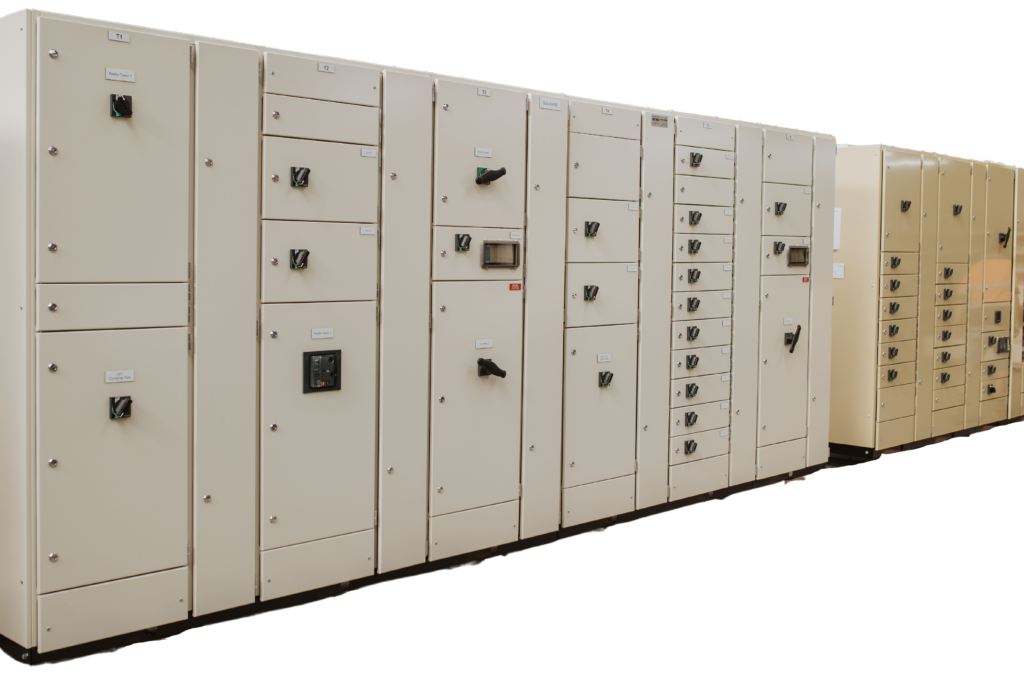
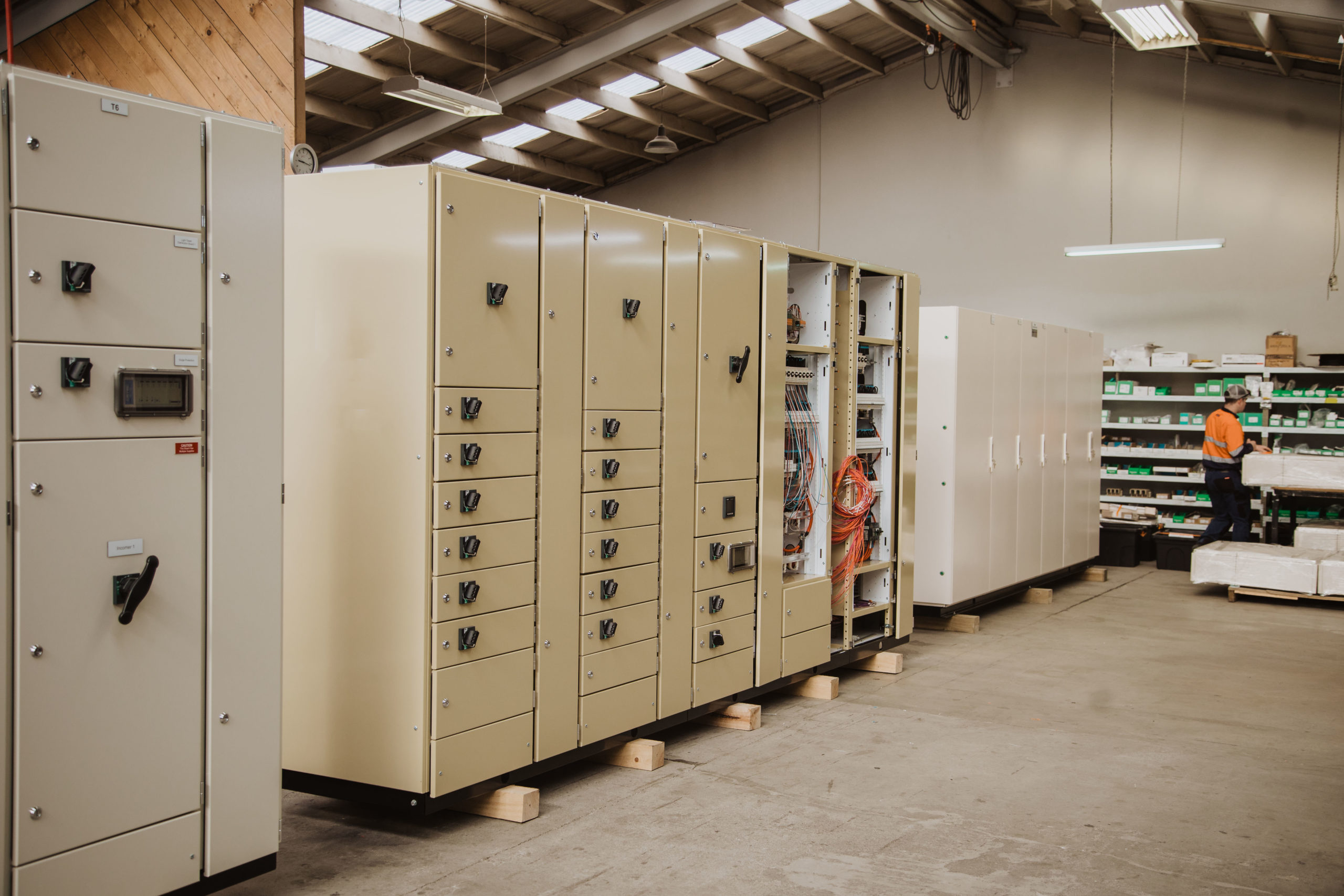
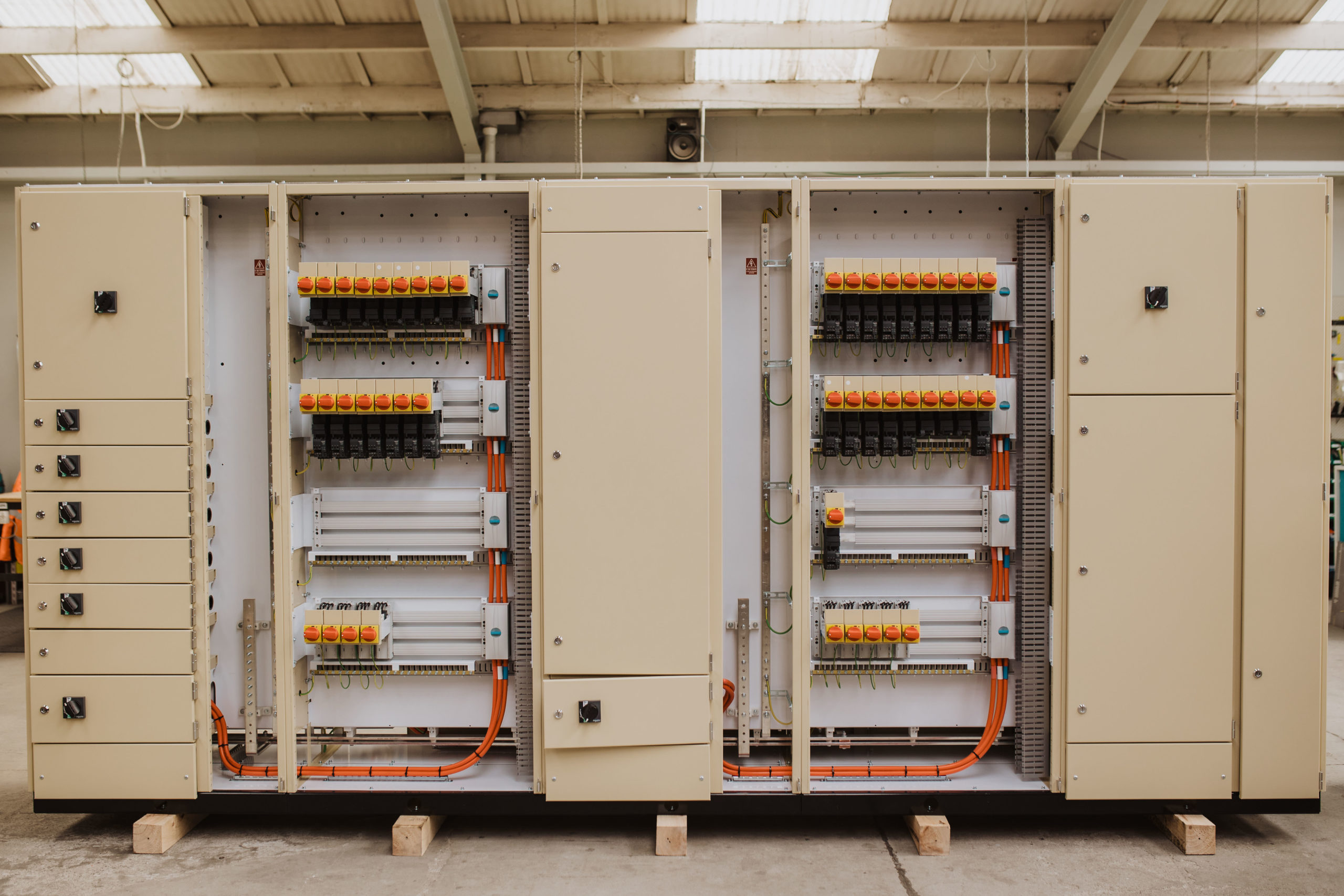
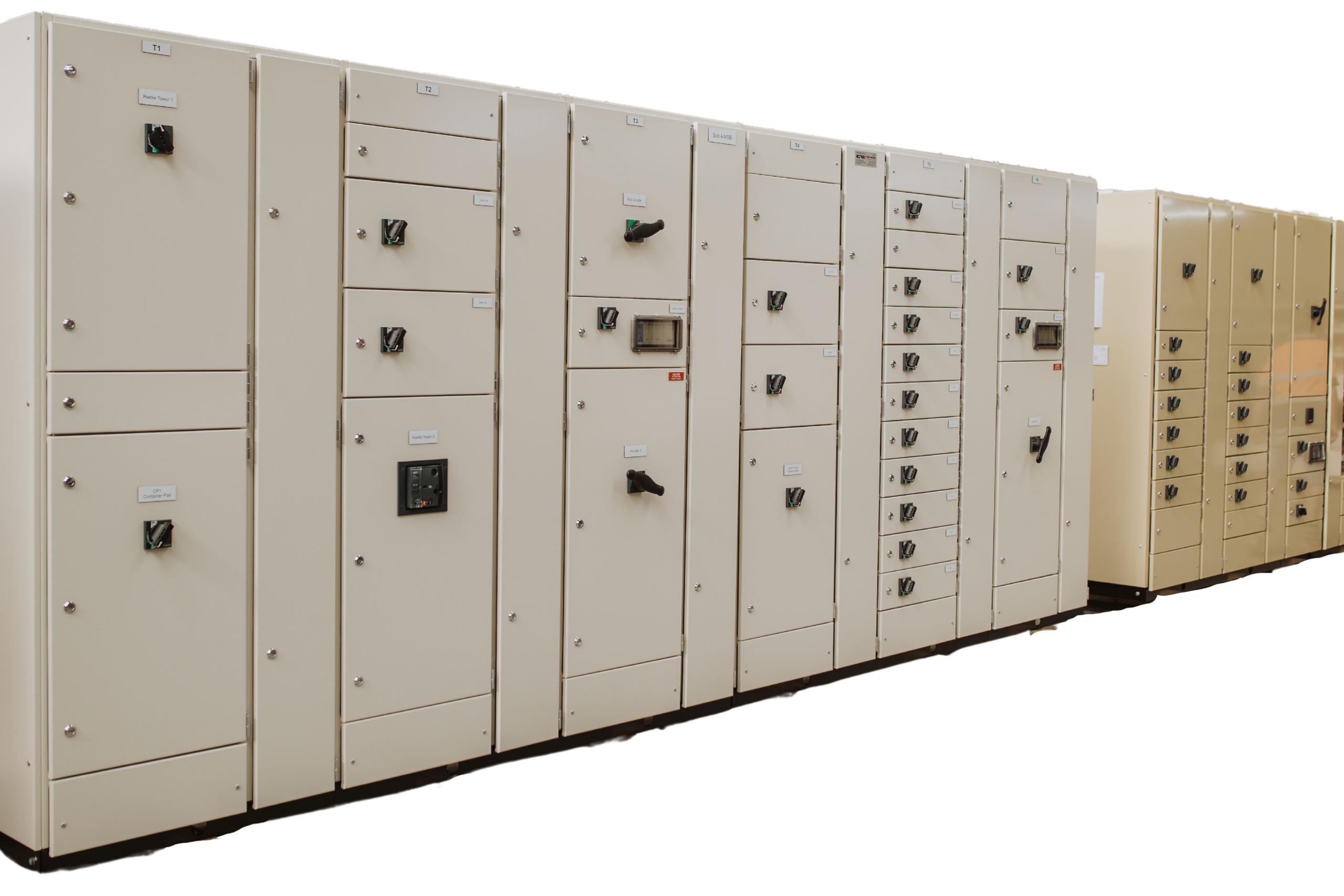
Main switchboard NZ industrial commercial - Clive Wilson Switchboards

The main switchboard (MSB) is the primary point of connection between the electrical network supply and the internal distribution system of a building or facility. Everything in the installation draws power through it. Clive Wilson Switchboards, based in Invercargill, has been designing and manufacturing main switchboards for industrial and commercial facilities across New Zealand for over 55 years. Here is what you need to know.

What a Main Switchboard Does

The MSB performs four core functions:

  • Receives the incoming supply from the network via a metering point and main isolator
  • Provides overcurrent protection for each distribution circuit leaving the board
  • Distributes power to sub-boards, motor control centres, and individual loads throughout the facility
  • Provides fault protection to limit the consequences of downstream faults to the affected circuit

On larger installations, the MSB also provides the interface for power factor correction equipment, metering systems, and protection relays that monitor the incomer and trip the main breaker on abnormal supply conditions.

Main Switchboard vs Distribution Board

Feature Main Switchboard Distribution Board
Position in system Receives the mains supply Fed from the MSB or another DB
Fault level High — typically 25 to 50+ kA Lower — limited by upstream protection
Busbar rating High — rated for full incomer current Lower — matched to the feeder circuit
Typical standards AS/NZS 61439-1 and -2 AS/NZS 61439-1 and -3
Metering Incomer metering usual Sub-metering may be included
Manufacturer Specialist switchboard builder Can be standard or custom assembled

What a Main Switchboard Must Contain

Main Incoming Protective Device

The main incomer protective device is typically a moulded case circuit breaker (MCCB) or air circuit breaker (ACB) rated to the full load current of the installation with a breaking capacity equal to or greater than the prospective short circuit current (PSCC) at the supply point. The PSCC must be confirmed from the network operator before the board is designed.

Main Busbars

The main busbars carry the full installation current from the incomer to the outgoing circuits. They are sized to carry the maximum expected load current with an acceptable temperature rise, and must be rated to withstand the short circuit current for the duration it takes upstream protection to operate. Busbar sizing is calculated to AS/NZS 61439 requirements.

Outgoing Circuit Protection

Each circuit leaving the MSB requires an appropriate protective device: MCCB for large feeders, MCB (miniature circuit breaker) for smaller final circuits, or fuse systems where specified. Each device must be rated correctly for its load current and fault level.

Earth Bar and Neutral Bar

The main earth bar connects all protective earth (PE) conductors. On TN-C-S systems (the most common NZ supply arrangement), the neutral and earth are separated at the MSB. The neutral bar must be rated for the full neutral current including harmonic loading.

Metering and Instrumentation

At minimum, a modern NZ main switchboard should include an energy meter at the incomer capable of logging kWh, kVArh, power factor, and maximum demand. This data is required for energy management, network compliance, and increasingly for sustainability reporting.

Sizing a Main Switchboard

Correct sizing requires the following information:

Input Required Why It Matters
Prospective short circuit current (kA) from network operator Determines breaking capacity of all protective devices
Maximum demand (kVA or kW + power factor) Determines incomer rating and busbar sizing
Load list with circuit ratings Determines outgoing circuit protection and distribution layout
Future load allowance (%) Determines spare ways and busbar capacity margin
Installation environment (IP rating, form of segregation) Determines enclosure specification
Protection relay requirements Determines relay type, CT sizing, and protection settings

Undersizing a main switchboard is a common and costly mistake. A board without adequate spare capacity requires replacement rather than expansion when loads increase. Clive Wilson Switchboards recommends a minimum 20 percent spare capacity on busbars and a minimum 25 percent spare circuit ways on any new MSB design.

Standards compliance: Main switchboards in New Zealand must comply with AS/NZS 61439-1 (general requirements) and AS/NZS 61439-2 (power switchgear and controlgear assemblies). Compliance must be demonstrated by type testing or design verification. Clive Wilson builds on the Simotrol type-tested platform, providing documented compliance evidence.

Replacing an Existing Main Switchboard

The most common triggers for MSB replacement in NZ are:

  • The existing board is more than 25 years old and lacks modern safety features or cannot be documented for compliance
  • Load growth has exceeded the original design capacity
  • The fault level at the supply point has increased beyond the original breaking capacity of the installed devices
  • The board has been damaged by a fault event, flooding, or fire
  • An insurance assessment or compliance audit has identified deficiencies

Switchboard replacement on a live commercial or industrial site requires careful planning. At Clive Wilson, we manage the full process from design and manufacture through to installation coordination, including temporary supply arrangements where needed to minimise downtime.

Related reading:

Talk to us about your main switchboard design or replacement

📍 31-33 Clyde Street, Invercargill  ·  📞 +64 3-214 4264

Request a Quote

Call Us

Contact Us