
Powder coating can reduce solvent use and support efficient material use. The actual environmental result also depends on preparation, recovery, energy, rework and service life. “Zero impact” is not a credible description of a coating process.
Less solvent is a meaningful benefit
Conventional powder coatings do not use a liquid carrier in the same way as solvent-borne paints. Product-specific data may demonstrate low or negligible VOC emissions. That can be a useful benefit when choosing a finishing system.
It does not follow that the whole operation has no emissions, no dust or no need for controls. Preparation, cleaning, spraying and curing each have their own requirements.
Recovery depends on the operation
Suitable overspray can be collected and reused in a process designed for it. Colour changes, contamination, finish requirements and equipment affect what can actually be recovered.
Do not apply a generic “95% material utilisation” figure to an individual workshop without measured data. Ask what the quoted process includes and which records are available if material efficiency is part of your procurement criteria.
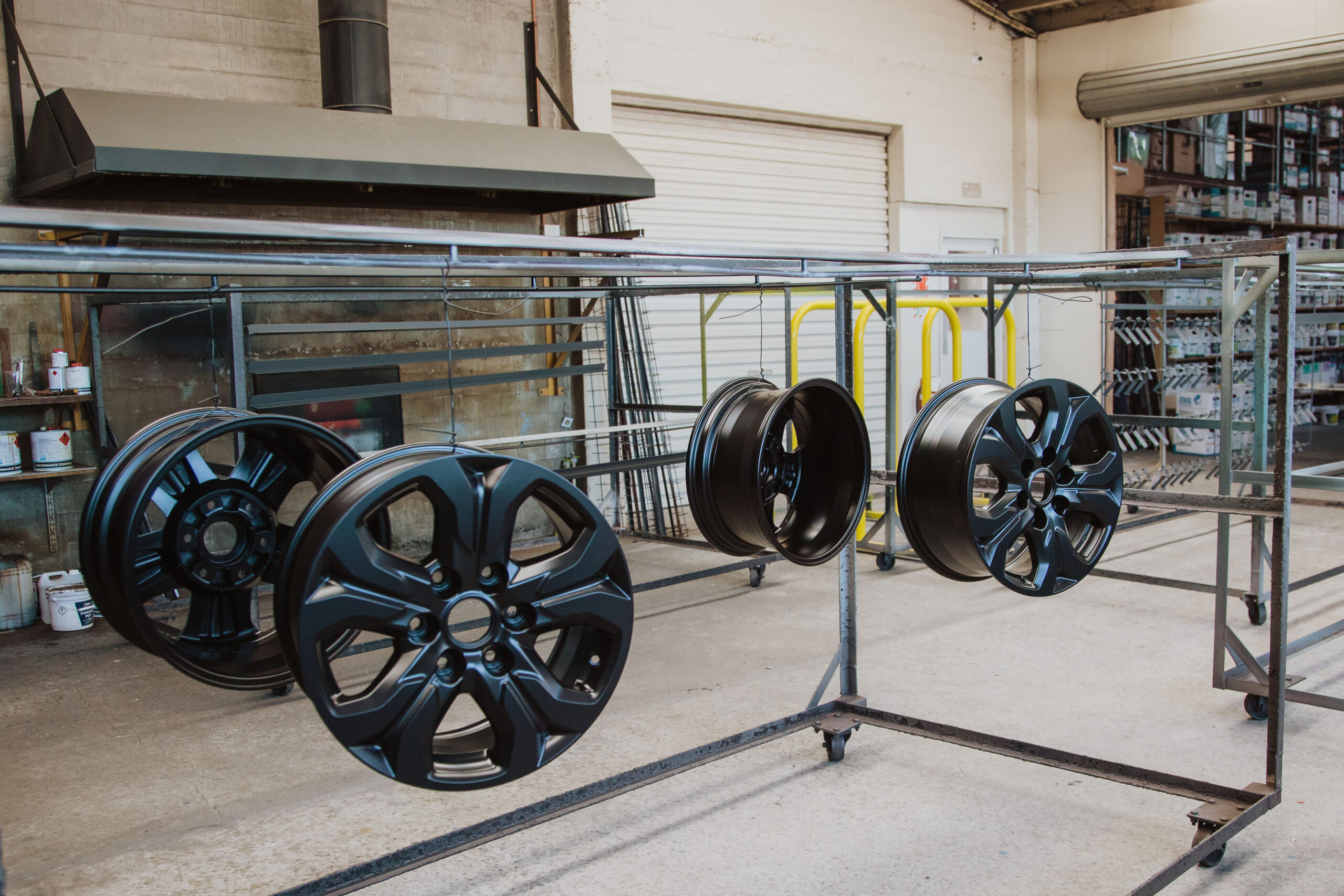
Assess the complete process
| Area | Evidence or clarification |
|---|---|
| Powder product | Technical data, safety data and any relevant environmental declaration. |
| Preparation | Stripping, cleaning, blasting or pretreatment requirements for the actual substrate. |
| Material use | Recovery arrangements, rejects and colour-change waste. |
| Energy | Oven operation, loading, cure requirements and rework. |
| Waste | Classification and handling appropriate to the actual materials. |
| Service life | A finish suited to exposure, with appropriate cleaning and repair. |
Powder dust still needs suitable exposure and fire-risk controls. Waste cannot automatically be described as harmless or suitable for general disposal. Product and process information must guide handling.
Compare like with like
Compare complete systems offering the required performance on the same substrate. A product environmental declaration is useful only within its stated scope, assumptions and declared unit. It is not a measurement of every applicator or finished job.
A finish that lasts appropriately in its intended environment can reduce avoidable rework. That benefit disappears if unsuitable preparation or coating selection causes premature failure. The durability guide explains the practical factors.
Make a proportionate request
For a routine job, clearly describe the metal, condition and exposure so a suitable coating system can be selected. For a project with formal reporting requirements, specify the documents and measurements required at enquiry stage.
The CWS powder coating team can discuss the finishing scope and available product information. Avoid requesting broad “eco-friendly” claims when a clear product and process brief will give you a more useful answer.