
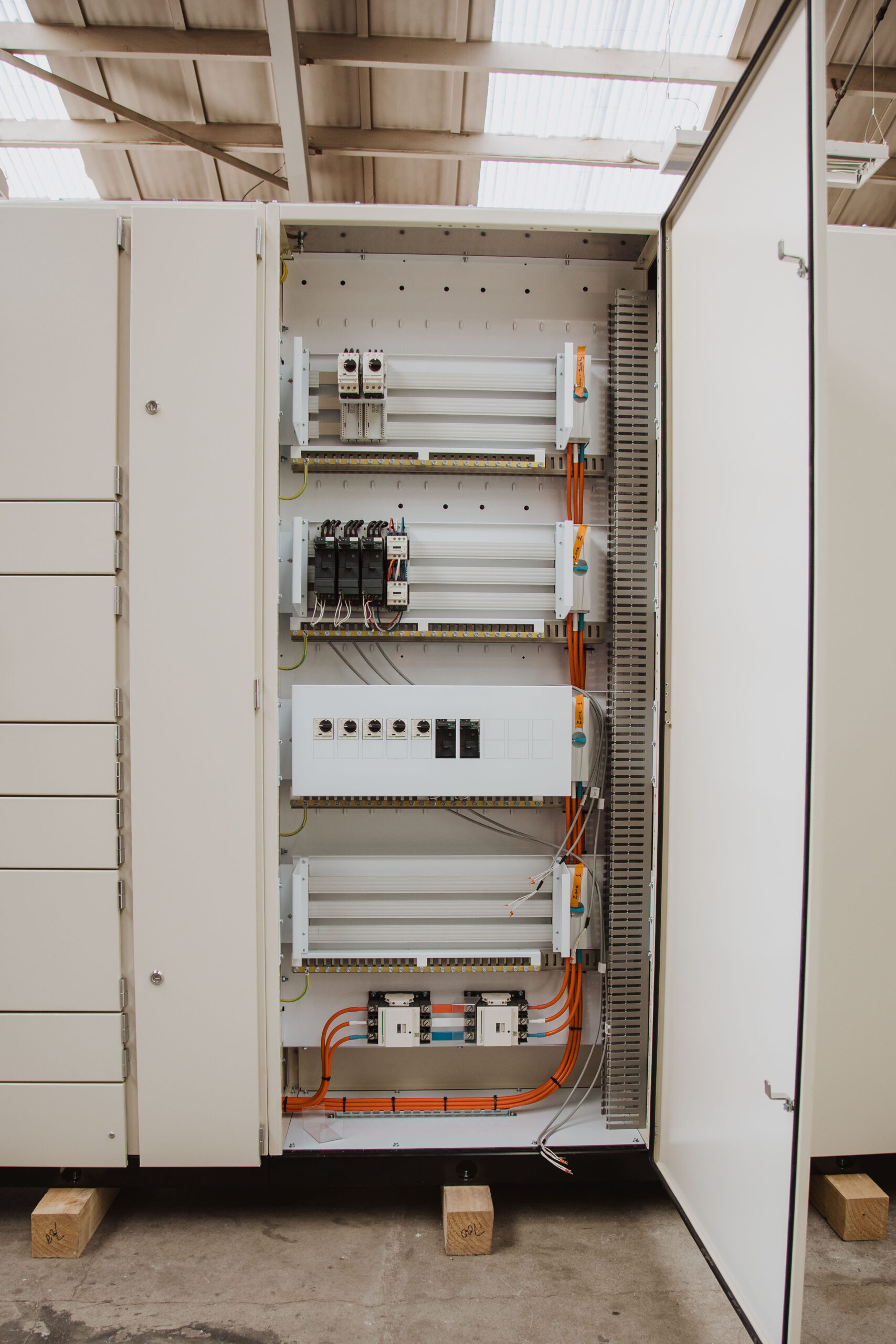
Choose ingress protection from the actual installation conditions. IP describes specified access, solid-object and water-ingress protection. It is not a complete description of outdoor durability, chemical resistance or condensation control.
Read the two digits correctly
The first IP digit covers access to hazardous parts and entry of solid foreign objects. The second covers water ingress under defined test conditions. The IEC overview below explains the code; an “X” means that characteristic is not specified.
| Code | First digit | Second digit |
|---|---|---|
| IP44 | Objects 1 mm and larger | Splashing water |
| IP54 | Dust protected | Splashing water |
| IP55 | Dust protected | Water jets |
| IP65 | Dust tight | Water jets |
These descriptions are a starting point. The complete test conditions, assembly orientation and manufacturer instructions matter. “Water jets” is not a blanket approval for hot, high-pressure or chemical washdown.
Describe the exposure before choosing the number
- Indoor switchroom, process area, sheltered kiosk or fully exposed outdoor location.
- Dust type and amount, including conductive or combustible dust where relevant.
- Rain direction, water pooling, hose use, pressure, temperature and cleaning chemicals.
- Salt, fertiliser, process gases and other corrosive contaminants.
- Ambient temperature, direct sun, ventilation and expected heat from the equipment.
- Cable entry direction, gland selection and door-opening frequency.
A site photo and cleaning procedure can be more informative than a copied specification line. Tell the manufacturer whether the enclosure is exposed directly or protected by a building or kiosk.
Three environments, three different briefs
A clean indoor switchroom. Describe access, ventilation, dust conditions and any nearby water services. The fact that the room is indoors does not guarantee that it stays dry, clean or within the assumed temperature range.
A process area with washdown. Provide the actual cleaning method, direction, frequency, water temperature and chemicals. Explain whether equipment is directly sprayed or protected by another enclosure. A general “washdown area” label leaves important test conditions undefined.
An exposed outdoor location. Add direct sun, coastal or industrial contaminants, wind-driven rain, temperature cycling and drainage. Identify the service and access conditions with doors open as well as the protection required in normal use.
These scenarios demonstrate how to build a brief. They do not assign a universal IP rating to every switchroom, dairy plant or outdoor site.
Ask about the assembled condition
An enclosure brochure usually describes a defined product in a defined condition. Once switchgear, fans, viewing windows, gland plates and controls are fitted, the finished assembly still needs to meet its intended protection requirement.
Specify which doors and covers are closed during normal operation and how frequently access is needed. If an operator needs to use controls without opening the main enclosure, include that in the layout. If opening a door changes the level of protection, the operating arrangements must recognise it.
Water entering through an external cable route or collecting at a mounting detail may not be solved by choosing a higher-rated door seal. The surrounding installation deserves the same attention as the enclosure.
Balance protection with temperature
Sealing a board more tightly can restrict heat dissipation. A suitable design must maintain both the required ingress protection and acceptable internal temperatures. Filters, fans, ventilation openings and cooling equipment form part of that assessment.
Condensation can occur inside an enclosure even when external water ingress is controlled. Heating, drainage, ventilation or climate control may be needed, depending on the design. Coastal corrosion and ultraviolet exposure also need material and coating decisions beyond the IP number.
Keep the rating through installation
Cable glands, blanking plugs, door seals, covers and penetrations must suit the assembly. A component marked IP65 does not prove that every installation using it is IP65. Check the completed entry and mounting arrangement.
Keep material selection separate from ingress protection
Stainless steel, aluminium and coated steel have different strengths and limitations depending on the exposure. An IP rating does not identify the material grade, pretreatment, coating system or resistance to a particular chemical.
For a corrosive environment, describe the contaminant and concentration if known, the cleaning regime and expected maintenance. Ask the project team to confirm the material and finish. The powder coating durability guide explains why preparation and exposure matter for a coated finish.
The best specification brings the enclosure, internal temperature and material decisions together. It avoids making the IP number carry requirements that the code was never intended to describe.
What to send CWS
Include the location, exposure, cleaning method, material preference, heat load and cable-entry requirements with your switchboard specification. If the rating is still open, describe the conditions so it can be resolved.
The IP rating and material selector is an initial discussion aid. Its output needs confirmation for the complete assembly and site. For a board inside a separate enclosure, agree the responsibilities for the switchroom or kiosk as well as the board.
Questions we hear
Is IP65 always suitable outdoors?
No. Outdoor suitability also depends on corrosion, sun, temperature, condensation, mounting and the intended water exposure.
Can I increase the IP rating after installation?
Possibly, but the modified construction needs a suitable verification basis. A new gasket or higher-rated gland alone is not enough.
Does an IP rating describe corrosion resistance?
No. Material grade, finish, chemicals, salts and maintenance require separate consideration.